
How Preventive Maintenance Reduces Boiler Downtime
Prevent Costly Boiler Downtime with Preventive Maintenance
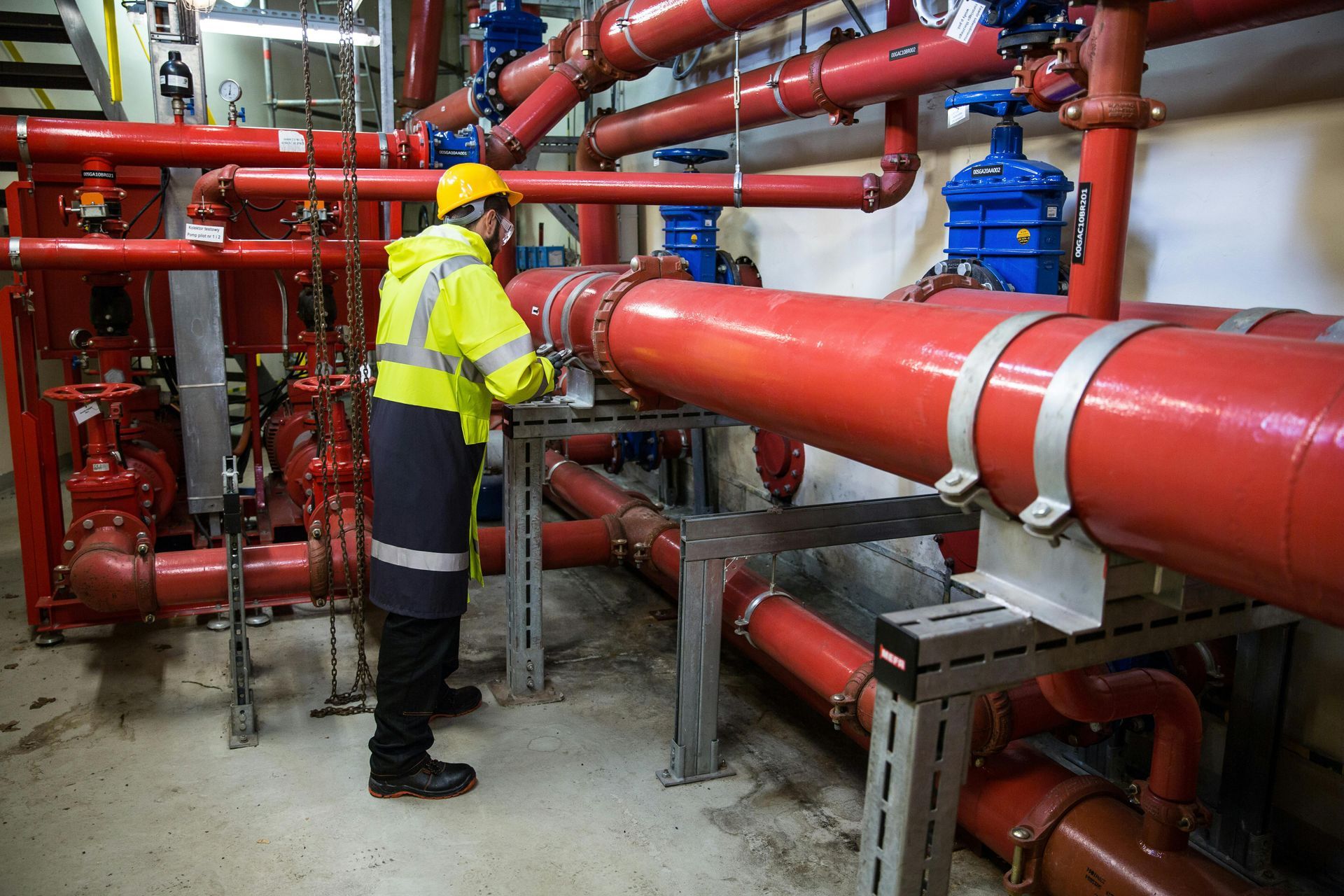
Unplanned boiler downtime is one of the most disruptive and expensive problems a commercial or industrial facility can face. When a boiler unexpectedly fails, the consequences often go far beyond the cost of repair. Production halts, buildings lose heat or hot water, safety risks increase, and emergency service costs quickly escalate.
In Texas, where boilers operate under demanding conditions—hard water, extreme weather swings, and long operating cycles—preventive maintenance is the most effective way to reduce downtime and protect operational continuity. Yet many facilities still rely on reactive, “fix-it-when-it-breaks” approaches that expose them to avoidable failures.
At Houston Boiler Works, preventive maintenance is the foundation of our service philosophy. This article explains how preventive maintenance reduces boiler downtime, what an effective program includes, and why scheduled service is one of the smartest investments a facility manager can make.
The True Cost of Boiler Downtime
Boiler downtime is rarely limited to a single expense. In commercial and industrial environments, it often creates a chain reaction of losses.
Direct Costs
- Emergency repair labor
- Expedited parts sourcing
- Overtime staffing
- Temporary heating solutions
Indirect Costs
- Production stoppages
- Lost revenue or output
- Tenant or occupant complaints
- Safety and compliance risks
- Damage to downstream equipment
For manufacturing plants, hospitals, and large campuses,
one boiler failure can cost thousands—or even tens of thousands—of dollars per day.
Preventive maintenance dramatically reduces the likelihood of these events.
What Is Preventive Boiler Maintenance?
Preventive boiler maintenance is a proactive approach that involves
scheduled inspections, testing, cleaning, and adjustments
designed to identify and correct issues before they cause failure.
Unlike reactive maintenance, which responds to breakdowns after they occur, preventive maintenance focuses on:
- Early detection of wear
- Performance optimization
- Safety verification
- Long-term equipment protection
The goal is not just to keep the boiler running, but to keep it running
reliably, efficiently, and safely.
Why Boilers Fail Without Preventive Maintenance
Most boiler failures do not happen suddenly. They develop gradually due to small issues that go unnoticed or unaddressed.
Common Causes of Preventable Boiler Failures
- Scale buildup from untreated hard water
- Corrosion caused by oxygen or improper pH
- Worn gaskets and seals
- Malfunctioning safety devices
- Burner misalignment or poor combustion
- Failing pumps or valves
Without routine inspections, these issues continue to worsen until they trigger a shutdown, alarm, or safety lockout.
How Preventive Maintenance Reduces Downtime
Preventive maintenance reduces downtime by addressing problems
before they interrupt operation.
1. Early Detection of Component Wear
Routine inspections catch early signs of failure, such as:
- Minor leaks
- Abnormal noises or vibrations
- Sensor drift
- Pressure or temperature irregularities
Replacing a worn part during scheduled service is far less disruptive than responding to a sudden failure.
2. Improved System Reliability
Boilers that are cleaned, calibrated, and adjusted regularly operate more consistently. Stable operation reduces:
- Short cycling
- Safety shutdowns
- Control errors
- Combustion inefficiencies
Reliability is especially critical for Texas facilities that rely on boilers for continuous operation or mission-critical services.
3. Reduced Emergency Repairs
Facilities with preventive maintenance programs experience fewer emergency calls. When problems do arise, they are often less severe and easier to correct.
Emergency repairs are:
- More expensive
- More disruptive
- More likely to require temporary shutdowns
Preventive maintenance shifts work from emergencies to planned service windows.
4. Protection Against Seasonal Failures
Texas weather creates unique risks for boiler systems:
- Freezing temperatures stressing pipes and seals
- Long summer shutdowns leading to corrosion
- Sudden winter demand spikes
Preventive maintenance prepares boilers for seasonal transitions, reducing the risk of weather-related failures.
5. Improved Inspection and Compliance Outcomes
State inspections and insurance reviews are less stressful when preventive maintenance is documented. Boilers that are regularly serviced are far more likely to:
- Pass inspections on the first attempt
- Avoid mandated shutdowns
- Maintain compliance with Texas regulations
Downtime caused by failed inspections is entirely preventable with proper maintenance.
What a Preventive Maintenance Program Should Include
An effective preventive maintenance program is structured, consistent, and tailored to the facility’s needs.
Routine Inspection Tasks
- Visual inspection of valves, piping, and fittings
- Verification of pressure and temperature readings
- Inspection of burners and flame quality
- Testing of safety shutoffs and controls
Cleaning and Efficiency Tasks
- Blowdown to remove sludge and sediment
- Cleaning of heat exchanger surfaces
- Burner tuning and combustion analysis
- Inspection and cleaning of venting systems
Water Quality Management
- Water softener performance checks
- Boiler water testing
- Chemical treatment verification
Mechanical and Electrical Checks
- Pump and motor inspection
- Control board diagnostics
- Sensor calibration
- Electrical connection verification
Each task plays a role in preventing failures that lead to downtime.
Preventive Maintenance vs. Reactive Maintenance
Facilities that rely on reactive maintenance often believe they are saving money—but the opposite is usually true.
Reactive Maintenance Leads To:
- Frequent emergency calls
- Higher labor and parts costs
- Greater downtime
- Shortened equipment lifespan
Preventive Maintenance Results In:
- Predictable service costs
- Fewer breakdowns
- Extended boiler life
- Improved efficiency
Over time, preventive maintenance consistently delivers lower total cost of ownership.
Preventive Maintenance in High-Risk Facilities
Certain facilities cannot tolerate boiler downtime and benefit most from preventive maintenance.
Examples Include:
- Hospitals and healthcare systems
- Manufacturing and processing plants
- Universities and school districts
- Municipal and government buildings
- Food and beverage facilities
In these environments, even brief outages can compromise safety, compliance, or production schedules.
Case Example: Preventive Maintenance Saves a Texas School District
A school district in South Texas experienced multiple boiler failures each winter, resulting in class disruptions and emergency repair costs.
Houston Boiler Works implemented a
quarterly preventive maintenance program, which included:
- Seasonal inspections
- Water quality management
- Burner tuning
- Documentation for inspections
Within one year:
- Emergency service calls dropped by over 60%
- No winter shutdowns occurred
- Heating reliability improved across all campuses
The district reduced downtime while stabilizing maintenance costs.
The Role of Documentation in Downtime Prevention
Preventive maintenance is most effective when supported by accurate documentation.
Service records help:
- Track recurring issues
- Identify aging components
- Support inspection compliance
- Plan future repairs or upgrades
Houston Boiler Works provides detailed service reports so facility managers can make informed decisions.
How Often Should Preventive Maintenance Be Performed?
Maintenance frequency depends on system size, usage, and criticality.
General Guidelines
- High-use or critical systems: quarterly or monthly
- Standard commercial systems: quarterly
- Low-use systems: at least annually
Texas facilities with hard water or long operating seasons often benefit from more frequent service.
FAQ: Preventive Boiler Maintenance and Downtime
Does preventive maintenance guarantee no downtime?
No system is failure-proof, but preventive maintenance greatly reduces the likelihood and severity of downtime.
Can preventive maintenance be done while the boiler is operating?
Many inspections and adjustments can be performed during operation. Others require planned shutdowns.
Is preventive maintenance required by code?
While not always mandated, it is strongly recommended and often expected by inspectors and insurers.
Does preventive maintenance improve efficiency?
Yes. Clean, calibrated boilers operate more efficiently and consume less fuel.
Reduce Downtime with a Preventive Maintenance Strategy
Unplanned boiler downtime is expensive, disruptive, and often preventable. Preventive maintenance keeps Texas facilities running safely, efficiently, and reliably—season after season.
Houston Boiler Works designs custom preventive maintenance programs that reduce downtime, control costs, and extend boiler life.
Call (713) 213-8103 or request a maintenance consultation at https://www.houstonboilerworkstx.com/contact to protect your facility from unexpected boiler failures.