Why Every Commercial Facility Should Schedule a Boiler Energy Audit
The Importance of Scheduling a Boiler Energy Audit for Commercial Facilities
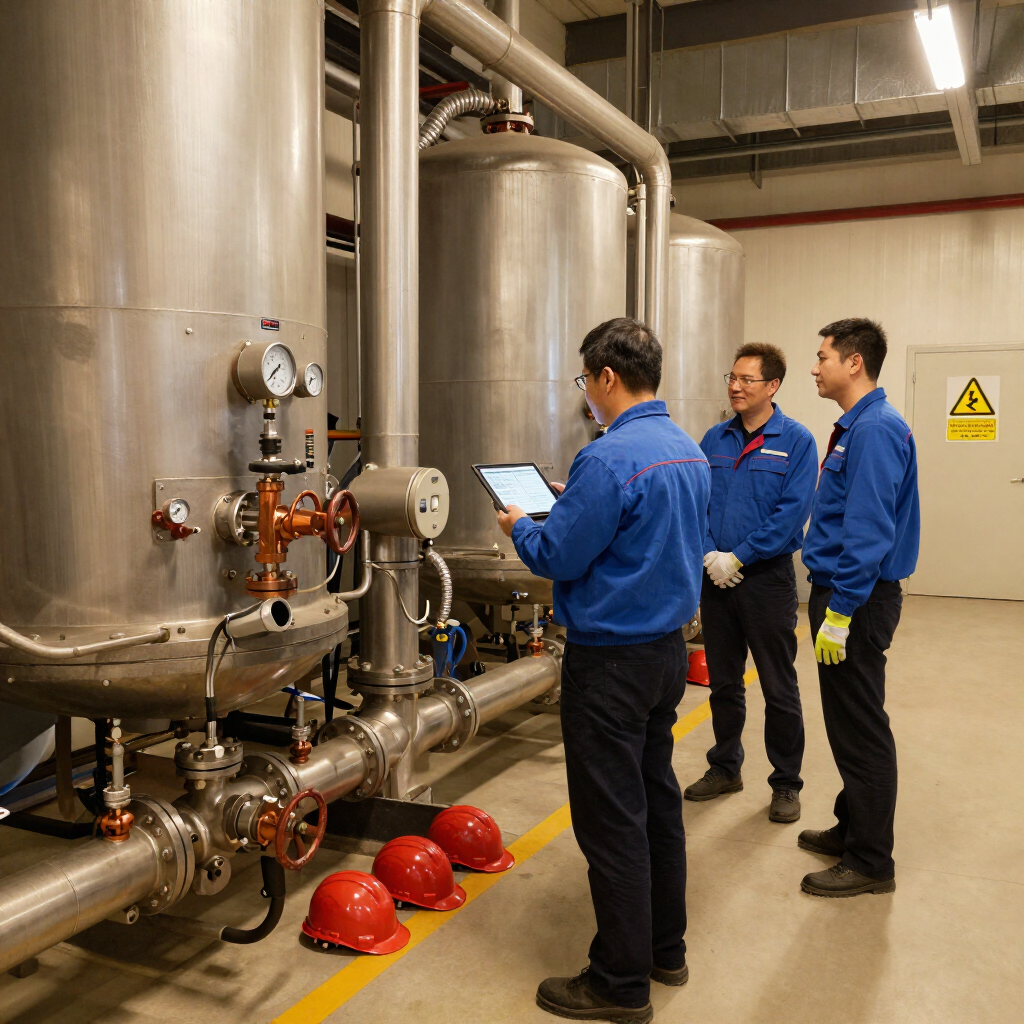
Energy costs continue to be one of the largest operating expenses for commercial and industrial facilities. Whether you manage a hospital, manufacturing plant, school district, office complex, or municipal building, your boiler system likely represents a significant percentage of your monthly utility costs. Yet many facilities continue operating boilers that consume more fuel than necessary simply because efficiency problems remain hidden.
Unlike obvious mechanical failures, energy losses often develop gradually. Scale buildup, poor combustion, aging controls, improper burner settings, water quality issues, and heat loss all contribute to declining performance over time. Because these changes occur slowly, they frequently go unnoticed until utility bills become significantly higher or major repairs become unavoidable.
This is where a commercial boiler energy audit becomes one of the most valuable tools available to facility managers. An energy audit evaluates how efficiently your boiler system operates, identifies opportunities for improvement, and provides practical recommendations that can reduce operating costs without sacrificing reliability.
At Houston Boiler Works, we perform comprehensive boiler evaluations for facilities throughout Texas and support customers nationwide. By identifying inefficiencies before they become expensive problems, our team helps organizations reduce fuel consumption, improve equipment performance, and maximize the return on their boiler investment.
This guide explains what a boiler energy audit involves, why it matters, and how facilities can benefit from a proactive approach to energy management.
What Is a Commercial Boiler Energy Audit?
A commercial boiler energy audit is a systematic evaluation of your entire boiler system to determine how effectively it converts fuel into usable heat.
Rather than focusing on a single component, an energy audit examines the complete operating system, including:
- Boiler efficiency
- Burner performance
- Combustion quality
- Heat exchanger condition
- Water treatment systems
- Steam or hot water distribution
- Controls and automation
- Insulation
- Condensate return systems
- Operating procedures
The objective is to identify areas where energy is being wasted and recommend improvements that increase efficiency while maintaining safe, reliable operation.
Many facility managers are surprised to discover that their boiler is functioning properly from a mechanical standpoint but still wasting thousands of dollars each year due to inefficient operation.
Why Boiler Efficiency Changes Over Time
A boiler rarely loses efficiency overnight.
Instead, small changes accumulate over months or years.
Examples include:
- Burners drifting out of calibration
- Scale forming inside heat exchangers
- Insulation deteriorating
- Steam leaks developing
- Controls becoming outdated
- Water chemistry changing
- Valves beginning to leak
- Sensors losing calibration
Individually, each issue may reduce efficiency by only a small percentage.
Combined, however, these losses can significantly increase fuel consumption.
For facilities operating around the clock, even a five percent efficiency loss can translate into tens of thousands of dollars in additional annual operating costs.
Signs Your Facility May Need an Energy Audit
Many facilities schedule audits after receiving unusually high utility bills.
However, several warning signs suggest efficiency has already begun to decline.
Common indicators include:
- Increasing natural gas consumption
- Rising operating costs without increased production
- Longer boiler run times
- Uneven heating throughout the building
- Frequent burner cycling
- Higher maintenance costs
- Excessive blowdown
- Recurring scale buildup
- Increased emissions
- Difficulty maintaining pressure
Even if the boiler appears to be operating normally, these symptoms often indicate hidden inefficiencies.
What Happens During a Boiler Energy Audit?
Every facility is different, but a comprehensive audit generally includes several key stages.
Review of Operating History
The first step involves reviewing historical operating data.
This includes:
- Utility bills
- Fuel consumption
- Maintenance records
- Repair history
- Inspection reports
- Operating schedules
Historical information helps establish performance trends and identify areas requiring closer examination.
Boiler Performance Testing
Technicians evaluate how efficiently the boiler currently operates.
Measurements may include:
- Combustion efficiency
- Stack temperature
- Oxygen levels
- Carbon monoxide
- Excess air
- Fuel input
- Steam output
- Water temperature
- Operating pressure
These measurements provide an accurate picture of real-world performance.
Combustion Analysis
Combustion is one of the most important factors affecting boiler efficiency.
Even slight imbalances in the air-to-fuel ratio can waste fuel.
A combustion analysis determines whether the burner is operating at peak performance and identifies opportunities for adjustment.
Proper burner tuning often produces immediate fuel savings.
Heat Exchanger Evaluation
Heat exchangers transfer energy from combustion gases into the water or steam system.
Any buildup of soot, scale, or corrosion reduces heat transfer.
During an audit, technicians inspect:
- Fireside surfaces
- Waterside surfaces
- Tube condition
- Evidence of fouling
- Signs of overheating
Cleaning or repairing heat exchangers often restores significant efficiency.
Water Quality Assessment
Water quality directly impacts boiler performance.
Houston Boiler Works evaluates:
- Water hardness
- pH
- Dissolved oxygen
- Conductivity
- Chemical treatment effectiveness
- Softener performance
Poor water chemistry is responsible for many long-term efficiency losses.
Steam Distribution Inspection
For steam systems, the boiler itself may not be the primary source of energy loss.
Steam distribution is also evaluated, including:
- Steam traps
- Condensate return
- Pressure-reducing stations
- Piping insulation
- Valve leakage
Many facilities lose substantial amounts of energy through neglected steam systems.
Identifying Low-Cost Efficiency Improvements
One of the biggest advantages of an energy audit is discovering improvements that require little capital investment.
Examples include:
- Burner adjustments
- Control recalibration
- Steam trap replacement
- Pipe insulation repairs
- Blowdown optimization
- Water treatment adjustments
These relatively inexpensive improvements often produce rapid returns.
Larger Capital Improvements
Some audits identify opportunities requiring larger investments.
Examples include:
- Boiler control upgrades
- Heat exchanger replacement
- Economizer installation
- Variable frequency drives
- Water softener upgrades
- Condensate recovery improvements
While these projects involve higher upfront costs, they frequently deliver substantial long-term savings.
Measuring Return on Investment
One reason energy audits are so valuable is that they help prioritize investments.
Rather than replacing equipment based on age alone, facilities can compare:
- Project cost
- Annual fuel savings
- Maintenance savings
- Expected equipment life
- Payback period
This allows management teams to make informed financial decisions.
Environmental Benefits
Improving boiler efficiency reduces more than fuel costs.
It also lowers:
- Carbon emissions
- Nitrogen oxide emissions
- Fuel consumption
- Water usage
- Chemical treatment requirements
Many organizations now include boiler efficiency improvements as part of broader sustainability initiatives.
Real-World Example: Manufacturing Facility in North Texas
A manufacturing customer contacted Houston Boiler Works after noticing a steady increase in natural gas expenses over three years.
The boiler continued to operate without major breakdowns, leading staff to assume everything was functioning properly.
Our energy audit identified:
- Burner operating with excessive excess air
- Heavy scale buildup
- Three failed steam traps
- Poor condensate return performance
- Aging control settings
After implementing the recommended improvements, the facility achieved:
- 17% reduction in fuel consumption
- Improved steam pressure stability
- Lower maintenance costs
- Reduced emissions
- Annual savings exceeding $42,000
The complete project paid for itself in less than two years.
How Often Should Energy Audits Be Performed?
Most facilities benefit from a professional energy audit every three to five years.
Facilities operating continuously or experiencing rising utility costs may benefit from more frequent evaluations.
An audit should also be considered when:
- Installing new equipment
- Expanding production
- Renovating facilities
- Changing fuel sources
- Experiencing unexplained efficiency losses
Frequently Asked Questions
Can an energy audit be performed without shutting down the boiler?
Many portions of the audit can be completed while the system is operating. Some inspections may require scheduled downtime depending on equipment configuration.
How long does an energy audit take?
Most commercial boiler audits can be completed within one day, although larger industrial facilities may require additional time.
Will an energy audit tell me if I need a new boiler?
Not necessarily. Many audits identify improvements that significantly increase efficiency without requiring complete boiler replacement.
Can older boilers still operate efficiently?
Yes. Many older boilers continue operating efficiently when properly maintained, upgraded, and optimized.
Improve Boiler Performance with a Professional Energy Audit
Every commercial facility wants lower operating costs, improved reliability, and better energy efficiency. A professional boiler energy audit provides the information needed to make smart operational and capital planning decisions.
Houston Boiler Works helps facilities throughout Texas identify hidden inefficiencies, improve boiler performance, and reduce long-term operating expenses through detailed system evaluations and expert recommendations.
To learn more about scheduling a commercial boiler energy audit or improving the efficiency of your existing system, contact Houston Boiler Works to speak with one of our experienced boiler specialists.