Why Boiler Redundancy Matters: Designing Commercial Boiler Systems for Maximum Reliability
Designing Reliable Commercial Boiler Systems: The Importance of Redundancy
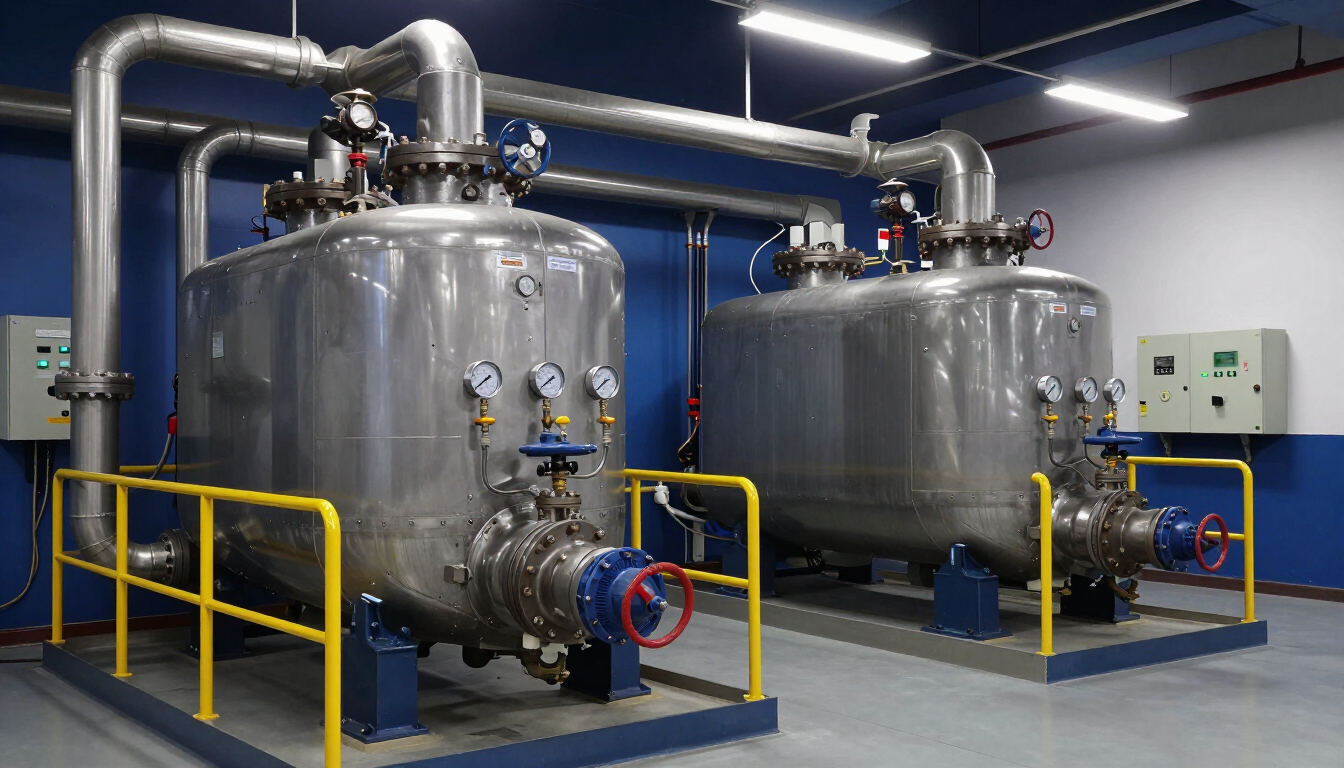
For many commercial and industrial facilities, a boiler is far more than a piece of mechanical equipment—it is the heart of daily operations. Hospitals depend on boilers to provide sterilization and heating, manufacturers require steam for production processes, hotels rely on hot water for guest comfort, and schools need dependable heating throughout the academic year. When a boiler unexpectedly goes offline, the consequences can range from uncomfortable building conditions to significant financial losses.
One of the most effective ways to minimize this risk is through boiler redundancy. Rather than relying on a single boiler to meet the facility's heating or steam demands, redundant systems incorporate multiple boilers that can support one another if one unit requires maintenance or experiences a failure.
Redundancy is often misunderstood as an unnecessary expense reserved only for large industrial facilities. In reality, it is a practical risk management strategy that can improve reliability, simplify maintenance scheduling, and protect business continuity for organizations of many sizes.
At Houston Boiler Works, we help commercial and industrial clients throughout Texas evaluate their boiler systems and develop redundancy strategies that align with their operational requirements and long-term goals. This guide explains what boiler redundancy is, why it matters, and how facility managers can determine the right approach for their buildings.
What Is Boiler Redundancy?
Boiler redundancy refers to designing a heating or steam system with multiple boilers capable of supporting one another during maintenance, repairs, or unexpected equipment failures.
Instead of depending on a single large boiler, facilities may install two or more smaller units that share the workload.
This design allows operations to continue even if one boiler is temporarily unavailable.
Redundant systems are commonly found in:
- Hospitals
- Universities
- Manufacturing plants
- Data centers
- Hotels
- Government facilities
- Distribution centers
- Food processing plants
- Pharmaceutical facilities
- Large commercial buildings
The primary objective is to eliminate a single point of failure.
Why a Single Boiler Can Create Operational Risk
Many facilities begin with one properly sized boiler because it meets immediate operational needs and minimizes initial installation costs.
However, over time, this configuration presents several challenges.
If the boiler experiences:
- Mechanical failure
- Pressure vessel issues
- Burner problems
- Control failures
- Emergency shutdowns
- Required inspections
- Scheduled maintenance
the entire facility may lose heating or steam production.
Even relatively minor repairs can interrupt operations for hours or days.
For businesses that operate continuously, this downtime can become extremely expensive.
Understanding the Cost of Boiler Downtime
Downtime affects every organization differently.
For example:
Healthcare Facilities
Hospitals depend on boilers for:
- Sterilization
- Domestic hot water
- Heating
- Laundry operations
Loss of boiler service can directly affect patient care.
Manufacturing Facilities
Steam often drives production equipment.
An unexpected shutdown may result in:
- Lost production
- Delayed shipments
- Overtime labor
- Product waste
- Contract penalties
Hotels
Guests expect consistent hot water and comfortable temperatures.
Boiler outages can damage customer satisfaction, online reviews, and future bookings.
Educational Facilities
Schools and universities may be forced to close portions of buildings if heating systems become unavailable during colder weather.
Common Boiler Redundancy Configurations
There is no single redundancy design that fits every facility.
The best configuration depends on building size, operating requirements, and available budget.
N+1 Redundancy
One of the most common approaches is called N+1.
In this configuration:
- "N" represents the number of boilers required to meet normal demand.
- One additional boiler provides backup capacity.
For example:
If two boilers normally satisfy building demand, a third boiler is installed as a standby unit.
This approach provides excellent operational flexibility.
Multiple Smaller Boilers
Instead of one large boiler, facilities may install several modular boilers.
Advantages include:
- Better load matching
- Reduced fuel consumption
- Easier maintenance
- Improved reliability
- Greater operational flexibility
Only the required number of boilers operate at any given time.
Lead-Lag Operation
Lead-lag sequencing automatically rotates which boiler serves as the primary unit.
Benefits include:
- Even equipment wear
- Balanced operating hours
- Improved reliability
- Longer equipment life
Modern controls make lead-lag operation highly efficient.
Benefits Beyond Emergency Backup
Many facility managers initially view redundancy as insurance against catastrophic failure.
In reality, redundant systems provide benefits every day.
Easier Preventive Maintenance
Routine maintenance becomes significantly easier when another boiler can temporarily carry the load.
Technicians can perform:
- Annual inspections
- Burner servicing
- Tube cleaning
- Control calibration
- Water treatment maintenance
without shutting down the facility.
This encourages better maintenance practices and improves long-term equipment reliability.
Improved Energy Efficiency
Multiple boilers often operate more efficiently than one oversized unit.
As demand changes throughout the day, individual boilers can be brought online or taken offline.
This reduces:
- Short cycling
- Fuel waste
- Excessive burner operation
- Wear on major components
Load matching improves seasonal efficiency while extending equipment life.
Greater Operational Flexibility
Facility demands change over time.
Expansion projects, occupancy changes, or production increases may require additional heating capacity.
Redundant systems provide flexibility by allowing facilities to:
- Add boilers incrementally
- Operate only what is needed
- Adapt to changing demand
This approach often supports future growth more effectively than relying on one large boiler.
Supporting Planned Facility Expansions
Organizations planning new buildings or production lines should consider redundancy during the design phase.
Adding capacity later may require:
- Structural modifications
- Utility upgrades
- Additional permitting
- Mechanical room expansion
Planning ahead reduces future project costs.
The Role of Modern Boiler Controls
Today's digital control systems make redundancy far more effective than older manual systems.
Modern controllers automatically:
- Sequence boiler operation
- Balance runtime
- Monitor efficiency
- Detect faults
- Switch boilers when needed
- Generate maintenance alerts
Automation improves reliability while reducing operator workload.
Integrating Redundancy with Preventive Maintenance
Redundant systems support comprehensive maintenance planning.
Facilities can:
- Rotate boilers through service schedules
- Perform inspections without emergencies
- Test safety devices thoroughly
- Upgrade components during planned outages
This proactive approach reduces long-term maintenance costs.
Factors to Consider Before Adding Redundancy
Every facility should evaluate several factors before investing in additional boiler capacity.
Current Reliability
How often does the existing boiler experience downtime?
Frequent repairs may indicate that redundancy should become a higher priority.
Critical Nature of Operations
Can the organization tolerate even a few hours without steam or heating?
Mission-critical facilities often justify redundancy more easily.
Available Mechanical Room Space
Additional boilers require adequate:
- Floor space
- Venting
- Utilities
- Maintenance access
Space limitations should be evaluated early.
Budget Considerations
While redundancy increases initial project cost, it often reduces:
- Emergency repair expenses
- Business interruption
- Lost production
- Long-term operating costs
A lifecycle cost analysis provides a more accurate financial picture than installation cost alone.
Common Misconceptions About Boiler Redundancy
"One Large Boiler Is Always More Efficient"
Not necessarily.
Modern modular systems often achieve better efficiency by matching output to actual demand.
"Redundancy Is Too Expensive"
The cost of one major boiler failure may exceed the investment required for redundancy, especially in facilities where downtime affects revenue or safety.
"Backup Boilers Sit Idle"
Properly designed redundant systems rotate equipment so every boiler operates regularly.
This keeps equipment in good condition while balancing wear.
Case Study: Reducing Risk at a Texas Medical Office Campus
A growing medical office campus in the Dallas-Fort Worth area relied on a single aging boiler to provide heating and domestic hot water for multiple buildings.
Although the boiler remained operational, management recognized that any unexpected failure would disrupt patient services and require emergency repairs.
Houston Boiler Works conducted a system evaluation and recommended replacing the single boiler with three high-efficiency modular boilers operating in a lead-lag configuration.
The project delivered several benefits:
- Continuous heating even during maintenance
- Improved fuel efficiency through staged operation
- Simplified annual inspections
- Reduced maintenance downtime
- Greater capacity for future building expansion
Within the first year, the facility reported lower energy consumption and significantly improved confidence in the reliability of its mechanical systems.
Frequently Asked Questions
What is boiler redundancy?
Boiler redundancy means installing multiple boilers so one unit can continue operating if another requires maintenance or unexpectedly fails.
Which facilities benefit most from redundant boiler systems?
Hospitals, manufacturing facilities, hotels, universities, data centers, food processing plants, and other organizations where downtime would significantly affect operations often benefit from redundancy.
Can an existing boiler system be upgraded to include redundancy?
In many cases, yes. Existing systems can often be expanded with additional boilers and upgraded controls, although available space and utility capacity must first be evaluated.
Will redundancy increase energy efficiency?
Properly designed modular boiler systems frequently improve efficiency because they better match heating output to actual building demand.
Is redundancy only necessary for large facilities?
No. Smaller commercial buildings that rely heavily on continuous hot water or steam can also benefit from the operational security provided by redundant boiler systems.
Build a Boiler System Designed for Long-Term Reliability
Unexpected boiler failures can disrupt operations, increase expenses, and create unnecessary stress for facility managers. A well-designed redundancy strategy helps reduce these risks by ensuring that heating or steam production can continue even when maintenance or repairs are required.
Houston Boiler Works partners with commercial and industrial facilities across Texas to design, install, upgrade, and maintain reliable boiler systems tailored to each organization's operational requirements. Whether you're constructing a new facility, planning an expansion, or evaluating ways to improve system reliability, our experienced team can help develop a solution that supports dependable performance today and well into the future.