Planning a Commercial Boiler Replacement: Timelines, Costs, and Common Mistakes
Commercial Boiler Replacement Guide: Costs, Timelines, and Mistakes to Avoid
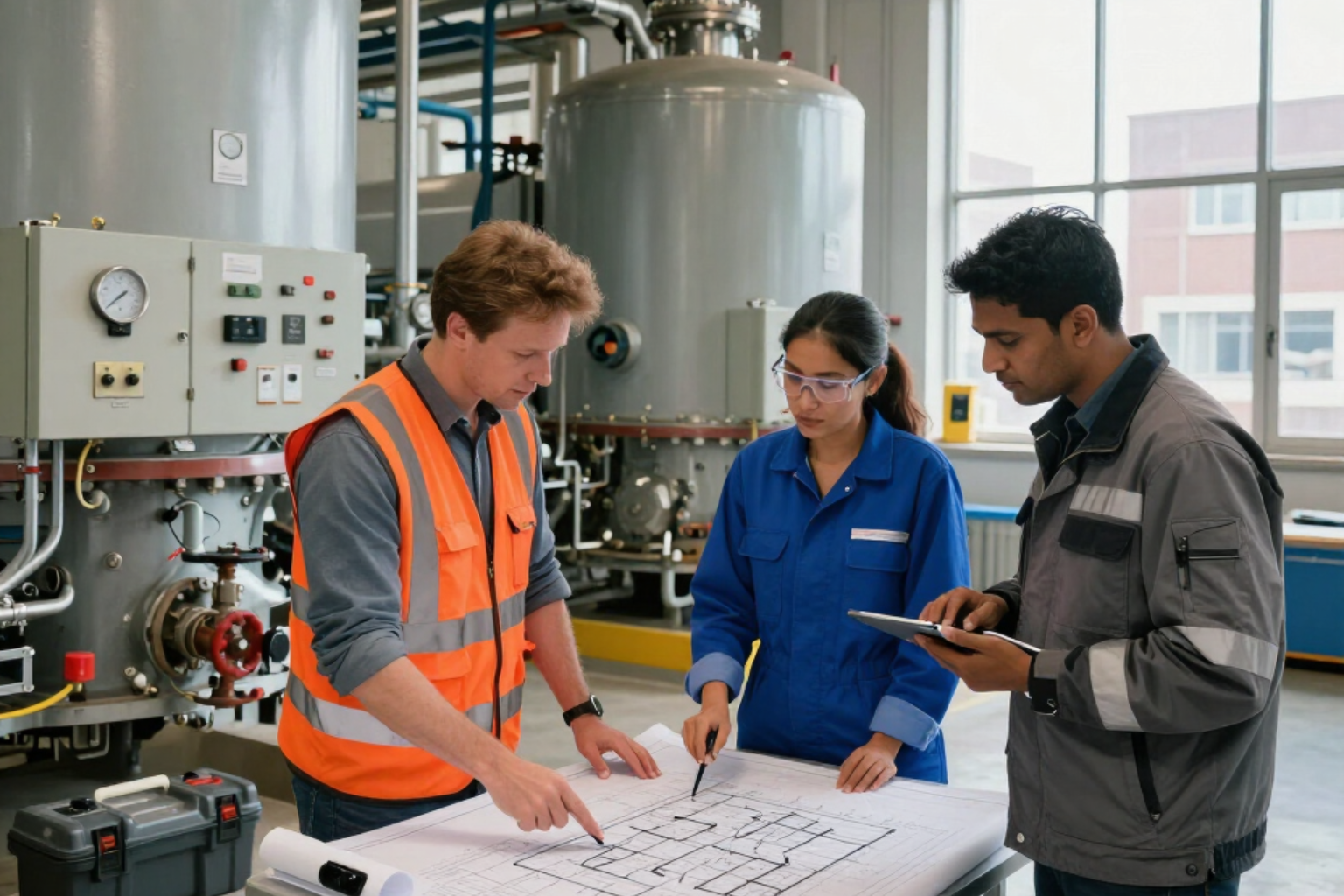
Replacing a commercial boiler is not a simple equipment swap—it is a major capital project that affects energy costs, facility operations, safety compliance, and long-term reliability. For many Texas facilities, boiler replacement projects are delayed until failure occurs, turning what could have been a planned upgrade into an emergency response.
Successful boiler replacement requires advance planning, realistic expectations, and coordination between facility management, contractors, inspectors, and utility providers. When done correctly, replacement projects reduce downtime, improve efficiency, and deliver predictable results. When done poorly, they result in delays, budget overruns, and operational disruptions.
This guide explains how to plan a commercial boiler replacement, what timelines and costs to expect, and the most common mistakes Texas facilities should avoid.
Why Boiler Replacement Planning Matters
Boilers are among the most expensive and regulated systems in commercial and industrial buildings. Unlike smaller mechanical equipment, boiler replacement involves:
- Permitting and inspections
- Specialized labor and certifications
- Structural and utility considerations
- Safety and compliance requirements
- Potential operational downtime
Without proper planning, replacement projects can quickly spiral into costly emergencies.
Facilities that plan ahead benefit from:
- Lower total project cost
- Better equipment selection
- Minimal downtime
- Fewer compliance issues
- Improved long-term performance
When Should a Facility Start Planning for Replacement?
One of the most common mistakes is waiting too long to start planning.
Indicators That Replacement Planning Should Begin
- Boiler is over 20 years old
- Repairs are becoming frequent or expensive
- Efficiency has declined noticeably
- Parts are difficult to source
- System no longer meets load requirements
- Inspection concerns are increasing
Planning does not mean immediate replacement—it means preparing options before failure forces a rushed decision.
Typical Timelines for Commercial Boiler Replacement
One of the biggest misconceptions is how long boiler replacement actually takes. While physical installation may only take days or weeks, the entire project timeline is much longer.
Phase 1: Evaluation and Design (2–6 Weeks)
This phase includes:
- Load calculations
- Equipment selection
- Site evaluation
- Budget development
- Preliminary scheduling
Rushing this step often leads to oversizing, inefficiency, or future operational issues.
Phase 2: Permitting and Approvals (2–8 Weeks)
In Texas, boiler replacements typically require:
- Permit applications
- Engineering documentation
- Inspector coordination
- Utility approvals
Permitting timelines vary by jurisdiction and system complexity. Delays here are common when documentation is incomplete.
Phase 3: Equipment Procurement (4–12+ Weeks)
Lead times for commercial boilers can vary widely depending on:
- Boiler type and size
- Manufacturer availability
- Custom configurations
- Supply chain conditions
Facilities that wait until failure often face extended downtime due to equipment availability.
Phase 4: Site Preparation (1–3 Weeks)
Before installation, the site may require:
- Removal of old equipment
- Structural or slab modifications
- Utility upgrades
- Venting or chimney changes
Older buildings often require more prep work than expected.
Phase 5: Installation and Commissioning (5–15 Days)
This includes:
- Boiler delivery and placement
- Mechanical and electrical connections
- Control integration
- Startup and testing
- Operator training
Complex systems or multi-boiler installations may take longer.
Total Project Timeline: What to Expect
From planning to startup, a commercial boiler replacement typically takes 2–6 months. Facilities that plan early can control this timeline. Facilities that wait often experience extended outages.
Understanding Boiler Replacement Costs
Boiler replacement costs vary significantly based on system size, complexity, and facility conditions.
Key Cost Components
- Boiler equipment
- Labor and installation
- Permits and inspections
- Controls and automation
- Piping and venting modifications
- Water treatment upgrades
- Temporary heating or rental boilers
Because of these variables, replacement costs should always be evaluated on a total project basis—not just equipment price.
Factors That Increase Replacement Costs
Several common conditions can drive costs higher if not addressed early.
Aging Infrastructure
Old piping, valves, or venting may not meet current codes and require replacement.
Limited Access
Tight mechanical rooms or difficult equipment removal paths increase labor and crane costs.
Utility Upgrades
Gas, electrical, or water service upgrades may be required to support new equipment.
Code Compliance Issues
Newer boilers must meet current safety and emissions standards, which may require additional controls or systems.
The Role of Temporary Boiler Rentals During Replacement
Many Texas facilities cannot afford extended downtime during boiler replacement.
Temporary boiler rentals provide:
- Continuous heat or steam during replacement
- Flexibility for extended timelines
- Reduced operational risk
Rental planning should be part of the replacement strategy—not an afterthought.
Choosing the Right Replacement Boiler
Selecting the right boiler is about more than capacity.
Key Selection Considerations
- Actual load requirements
- Redundancy needs
- Fuel availability
- Efficiency goals
- Footprint and access
- Maintenance requirements
Oversizing remains one of the most common—and costly—mistakes in boiler replacement.
Common Boiler Replacement Mistakes to Avoid
Mistake 1: Waiting for Complete Failure
Emergency replacements cost more, take longer, and limit equipment options.
Mistake 2: Replacing Like-for-Like Without Re-Evaluating Load
Facilities often replace old boilers with the same size without accounting for changes in usage or efficiency.
Mistake 3: Ignoring Controls and System Integration
New boilers paired with outdated controls rarely perform as intended.
Mistake 4: Underestimating Permitting and Inspection Time
Permits and inspections cannot be rushed—and delays here are common.
Mistake 5: Skipping Operator Training
Even the best boiler will underperform if operators are not trained on its controls and maintenance needs.
How Replacement Improves Efficiency and Reliability
When properly planned, boiler replacement delivers measurable benefits.
Common Results Include
- 15–30% reduction in fuel consumption
- Improved temperature and pressure stability
- Reduced maintenance and emergency calls
- Better compliance with inspections
- Extended system lifespan
For many Texas facilities, energy savings alone justify replacement over time.
Case Example: Planned Replacement at a Texas Manufacturing Facility
A manufacturing facility in North Texas had a 25-year-old boiler with rising repair costs. Rather than waiting for failure, the facility planned replacement 18 months in advance.
The project included:
- Detailed load analysis
- Phased equipment procurement
- Temporary boiler rental during installation
Results:
- Zero unplanned downtime
- 22% reduction in fuel costs
- Improved system reliability
- Project completed on schedule and within budget
How Houston Boiler Works Supports Replacement Planning
Houston Boiler Works helps Texas facilities plan boiler replacement projects from start to finish, including:
- System evaluations
- Budget forecasting
- Equipment selection
- Permitting and inspections
- Installation and commissioning
- Temporary boiler rentals
Our goal is to replace uncertainty with clarity—and emergencies with planned execution.
FAQ: Commercial Boiler Replacement Planning
How far in advance should replacement be planned?
Ideally 12–24 months before end-of-life to allow full evaluation and scheduling.
Can replacement be phased?
Yes. Multi-boiler systems can often be replaced in stages to reduce downtime.
Do new boilers require new permits?
Yes. Most replacements require updated permits and inspections.
Is replacement always better than repair?
Not always—but when repairs escalate or efficiency drops, replacement is often the smarter long-term choice.
Plan Boiler Replacement Before It Becomes an Emergency
Commercial boiler replacement does not have to be disruptive or reactive. With proper planning, Texas facilities can control timelines, costs, and outcomes—while improving efficiency and reliability.
Houston Boiler Works provides expert guidance for boiler replacement projects across Texas, from early planning through final startup.
Call (713) 213-8103 or request a replacement planning consultation to start planning with confidence.