
Commercial Boiler Lifespan | How Long Do Commercial Boilers Last?
A Complete Guide to Boiler Longevity, Maintenance, and Performance
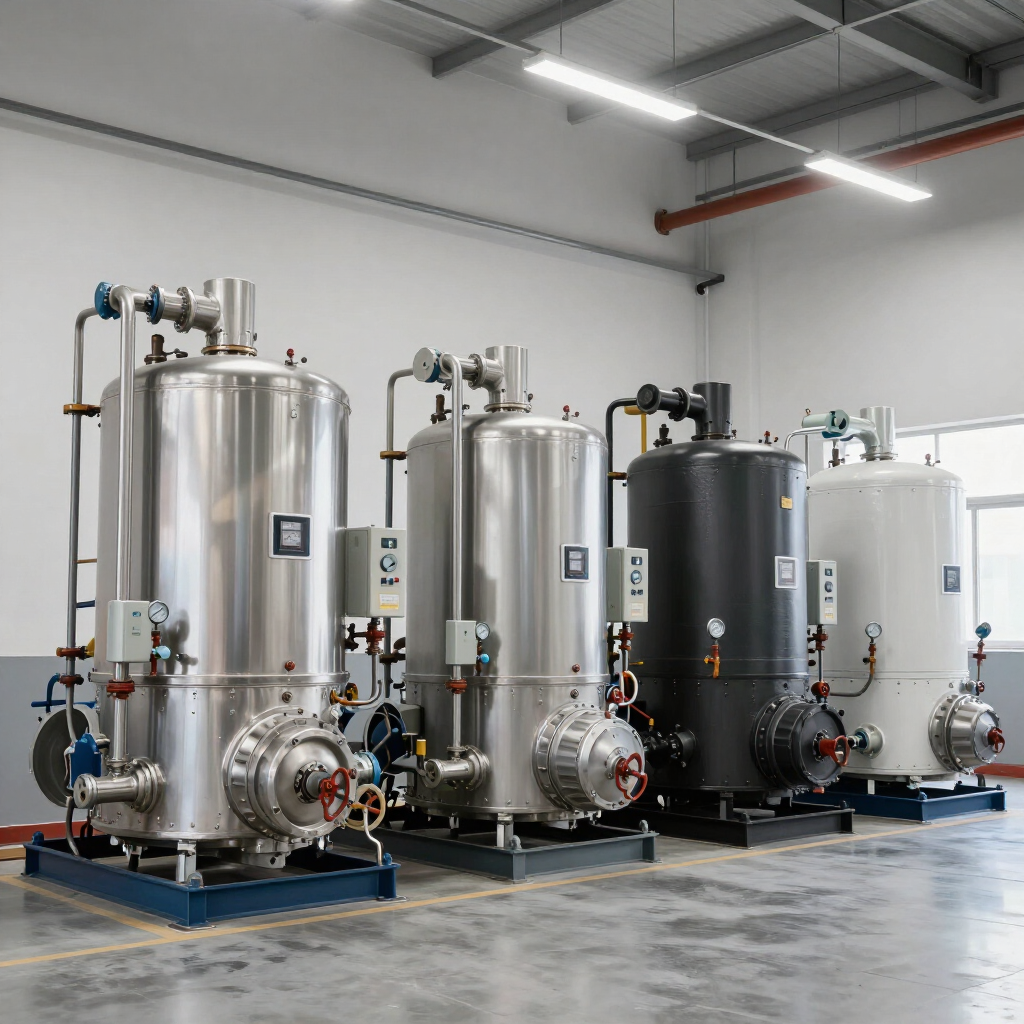
A commercial boiler is one of the largest capital investments a facility will make. Whether it serves a hospital, manufacturing plant, school, office building, hotel, or industrial operation, the boiler is expected to deliver reliable heating or process steam for decades. Yet many facility managers ask the same question: How long should a commercial boiler last?
The answer is more complex than simply assigning a number of years. While many commercial boilers remain in service for 25 years or more, others experience major failures after only 12 to 15 years. The difference often has less to do with the manufacturer than with installation quality, operating conditions, water treatment, maintenance practices, and how the system has been managed throughout its life.
Understanding the factors that influence boiler longevity allows facility managers to make smarter maintenance decisions, budget more effectively for future capital expenses, and avoid unexpected equipment failures.
At Houston Boiler Works, we've serviced commercial and industrial boiler systems throughout Texas for decades. We've seen well-maintained boilers continue operating efficiently after thirty years, while neglected systems required replacement in less than half that time. This guide explains what determines boiler lifespan, the warning signs of aging equipment, and practical steps that can help maximize the return on your investment.
What Is the Average Lifespan of a Commercial Boiler?
Although every installation is different, most commercial boilers fall within these general ranges:
| Boiler Type | Typical Service Life |
|---|---|
| Cast iron commercial boilers | 25–35 years |
| Firetube boilers | 20–30 years |
| Watertube boilers | 25–35 years |
| Condensing boilers | 15–25 years |
| High-pressure industrial boilers | 25–40 years with proper maintenance |
These estimates assume the equipment receives regular maintenance and operates within its intended design specifications.
Boilers that experience neglected maintenance, poor water quality, excessive cycling, or improper operation often have significantly shorter service lives.
Why Boiler Lifespan Varies So Much
No two facilities operate under identical conditions.
A boiler supplying heat to an office building during winter experiences very different demands than one producing steam around the clock for an industrial manufacturing process.
Several factors determine how quickly components wear over time.
These include:
- Operating hours
- Load variations
- Water quality
- Preventive maintenance
- Installation quality
- Fuel quality
- Environmental conditions
- Operator experience
Understanding these variables helps explain why identical boilers can age very differently.
Water Quality: The Biggest Factor in Boiler Longevity
If there is one issue that consistently shortens boiler life, it is poor water quality.
Water flowing through a boiler carries dissolved minerals, oxygen, and other contaminants. Without proper treatment, these substances create scale, corrosion, and sludge that reduce heat transfer and damage internal components.
Common water quality problems include:
Scale Formation
Hard water deposits calcium and magnesium inside boiler tubes.
Just a thin layer of scale acts as insulation, forcing the boiler to burn more fuel while exposing metal surfaces to higher temperatures.
Over time, overheating weakens pressure vessels and heat exchanger tubes.
Oxygen Corrosion
Dissolved oxygen attacks metal surfaces from the inside.
This corrosion may begin as small pits but eventually compromises the structural integrity of the boiler.
Improper Chemical Treatment
Boilers require carefully balanced water chemistry.
Improper treatment allows corrosion, foaming, carryover, and sediment buildup that accelerate wear throughout the system.
Routine water testing and properly maintained commercial water softeners are among the most cost-effective ways to extend boiler life.
Preventive Maintenance Pays for Itself
Commercial boilers are remarkably durable when maintained consistently.
Routine preventive maintenance allows technicians to identify small issues before they become major repairs.
Typical maintenance includes:
- Burner inspections
- Combustion analysis
- Safety control testing
- Cleaning fireside surfaces
- Blowdown procedures
- Water chemistry testing
- Lubricating moving components
- Inspecting refractory
- Checking gaskets and seals
Facilities that postpone maintenance often spend far more on emergency repairs and shortened equipment life.
Proper Boiler Sizing Matters
Many people assume a larger boiler provides additional reliability.
In reality, oversized boilers often experience more wear than properly sized equipment.
Oversized systems frequently:
- Short cycle
- Waste fuel
- Experience greater thermal stress
- Wear ignition components more quickly
- Increase maintenance costs
Likewise, undersized boilers may run continuously under heavy load, creating excessive operating stress.
Correct sizing during installation is critical to maximizing lifespan.
The Impact of Boiler Cycling
One of the biggest hidden contributors to premature aging is excessive cycling.
Each time a boiler starts and stops, its components experience expansion and contraction.
Over thousands of cycles, thermal stress affects:
- Welds
- Heat exchangers
- Burners
- Ignition systems
- Electrical controls
Modern control systems help reduce unnecessary cycling by matching boiler output more closely to actual demand.
Combustion Efficiency and Equipment Wear
Efficient combustion does more than reduce fuel costs.
It also protects boiler components.
Poor combustion may result in:
- Soot accumulation
- Flame instability
- Higher stack temperatures
- Carbon deposits
- Uneven heating
These conditions force equipment to work harder while increasing wear throughout the combustion system.
Regular burner tuning keeps combustion operating within manufacturer specifications.
Environmental Conditions Matter
Texas facilities often expose boilers to demanding operating environments.
Factors include:
- High humidity along the Gulf Coast
- Dust in industrial settings
- Outdoor installations
- Temperature fluctuations
- Corrosive process environments
These conditions affect everything from electrical components to insulation and combustion air quality.
Protecting the boiler room environment contributes significantly to equipment longevity.
Common Components That Wear Before the Boiler
Many people assume replacing a major component means the boiler itself has reached the end of its life.
In reality, many parts are expected to wear long before the pressure vessel.
Examples include:
- Burners
- Pumps
- Expansion tanks
- Valves
- Controls
- Sensors
- Ignition systems
- Refractory
- Steam traps
Replacing these components often restores excellent performance without requiring complete boiler replacement.
Warning Signs Your Boiler Is Aging
Even well-maintained boilers eventually begin showing signs of age.
Common indicators include:
Increasing Repair Frequency
Occasional repairs are normal.
Repeated service calls every few months often indicate broader deterioration.
Declining Fuel Efficiency
Gradually increasing fuel usage may suggest internal wear or declining heat transfer.
Difficulty Finding Replacement Parts
Older equipment eventually reaches a point where manufacturers discontinue critical components.
Long lead times increase the risk of extended downtime.
Inspection Concerns
If inspectors repeatedly identify corrosion, pressure vessel deterioration, or safety concerns, replacement planning should begin.
Rising Maintenance Costs
As equipment ages, repair costs often increase faster than the value gained from continued operation.
Should You Repair or Replace?
One of the most difficult decisions facility managers face is determining when repairs are no longer cost-effective.
Questions worth considering include:
- Is the pressure vessel still in good condition?
- How often is the boiler breaking down?
- Are replacement parts readily available?
- Is fuel efficiency significantly below modern standards?
- Would upgrading reduce operating costs?
A professional boiler assessment helps answer these questions objectively.
Strategies for Extending Boiler Life
Facilities that consistently achieve 25 to 35 years of service generally follow similar practices.
These include:
Maintain Proper Water Chemistry
Water treatment should never be viewed as optional.
Routine testing protects every internal surface.
Schedule Annual Professional Inspections
Professional inspections identify problems before they become expensive failures.
Keep Accurate Maintenance Records
Detailed records help identify trends and support long-term planning.
Address Small Repairs Quickly
Minor leaks, unusual noises, or control issues rarely resolve themselves.
Prompt repairs prevent larger failures.
Upgrade Controls When Appropriate
Modern control systems improve efficiency while reducing mechanical stress.
Train Boiler Operators
Even the best equipment can suffer from improper operation.
Ongoing operator training protects both personnel and equipment.
Case Study: Extending Boiler Life at a Texas Hospital
A regional hospital in Central Texas operated two firetube boilers that had been in service for more than 27 years.
Although management had budgeted for replacement, Houston Boiler Works performed a comprehensive system assessment before new equipment was ordered.
Our evaluation found that:
- The pressure vessels remained in excellent condition.
- Water chemistry had been consistently maintained.
- Most issues involved aging controls and burner components.
- Heat transfer surfaces required cleaning.
Rather than replacing both boilers immediately, the hospital invested in:
- New burner controls
- Updated combustion management
- Pump replacements
- Heat exchanger cleaning
- Revised preventive maintenance schedules
The improvements restored operating efficiency, reduced fuel consumption, and extended the useful life of the equipment by several years, allowing the hospital to postpone a major capital expense while maintaining dependable service.
Frequently Asked Questions
How long should a commercial boiler last?
Most commercial boilers last between 20 and 35 years, depending on maintenance, operating conditions, water quality, and system design.
Is age alone a reason to replace a boiler?
No. Some older boilers continue operating safely and efficiently, while newer equipment may require replacement sooner if maintenance has been neglected.
Can boiler lifespan be extended?
Yes. Proper water treatment, preventive maintenance, annual inspections, combustion tuning, and timely repairs all contribute to longer equipment life.
What is the biggest cause of premature boiler failure?
Poor water quality is one of the leading causes of shortened boiler life because it contributes to scale buildup, corrosion, and reduced heat transfer.
How often should commercial boilers be professionally inspected?
Most facilities should schedule professional inspections and preventive maintenance at least annually, with more frequent service for heavily used systems.
Protect Your Boiler Investment for the Long Term
A commercial boiler represents a significant investment, and with the right maintenance strategy, it can provide reliable service for decades. Understanding how operating conditions, water quality, maintenance practices, and system upgrades affect boiler lifespan enables facility managers to make informed decisions that improve reliability and control costs.
Houston Boiler Works works with commercial and industrial facilities across Texas to help maximize boiler performance through preventive maintenance, inspections, repairs, water treatment solutions, and long-term equipment planning. Whether your boiler is five years old or approaching thirty, our experienced team can evaluate its condition and recommend practical solutions that support safe, efficient operation for years to come.