Commercial Boiler System Modernization: When Upgrading Makes More Sense Than Replacing
When to Modernize Your Commercial Boiler System Instead of Replacing It
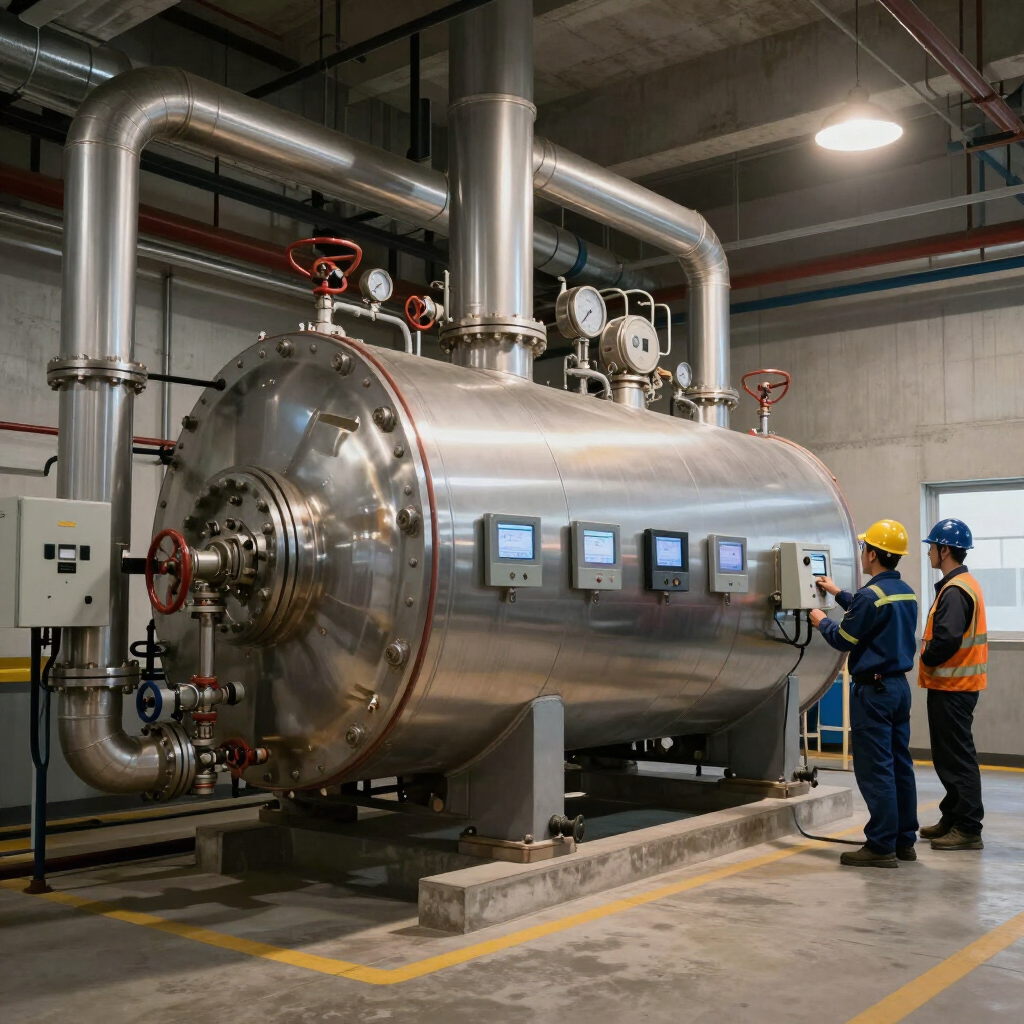
Commercial boilers are built to last, but the systems that support them often age much faster than the boiler itself. While facility managers frequently focus on the condition of the pressure vessel or burner, the reality is that many boilers lose efficiency and reliability because the surrounding components have become outdated.
In many cases, a boiler that is structurally sound does not need to be replaced to achieve significant improvements in performance. Instead, strategic modernization can extend equipment life, improve energy efficiency, enhance safety, and reduce maintenance costs—all while avoiding the expense and disruption of a full boiler replacement.
Modernization involves evaluating the entire boiler system, identifying aging or inefficient components, and upgrading them with newer technologies that improve overall operation. This approach is particularly valuable for commercial and industrial facilities that rely on continuous boiler operation and cannot afford extended downtime.
At Houston Boiler Works, we help facilities throughout Texas evaluate whether modernization or replacement is the better long-term investment. This guide explains what boiler modernization involves, the benefits it offers, and how to determine whether your facility is a good candidate.
What Is Boiler System Modernization?
Boiler modernization is the process of upgrading key components of an existing boiler system without replacing the entire boiler.
Rather than removing equipment that may still have many years of useful life remaining, modernization focuses on improving the supporting systems that affect efficiency, reliability, safety, and control.
Typical modernization projects may include:
- Burner upgrades
- Digital control systems
- Combustion management improvements
- Variable frequency drives
- Feedwater equipment upgrades
- Water treatment improvements
- Heat recovery systems
- Safety control enhancements
- Instrumentation upgrades
- Remote monitoring capabilities
The goal is to improve overall system performance while maximizing the value of existing equipment.
Why Modernization Has Become More Popular
Commercial facilities today face very different operating conditions than they did twenty years ago.
Energy costs have increased.
Environmental regulations have evolved.
Building automation systems have become more sophisticated.
Facility managers also face increasing pressure to reduce operating costs while improving reliability.
Modernization allows organizations to address these challenges without immediately committing to a complete boiler replacement.
Many facilities discover they can achieve substantial improvements with targeted upgrades that require less downtime and lower capital investment.
Evaluating the Condition of Your Existing Boiler
Before planning any modernization project, it is important to determine whether the existing boiler remains structurally sound.
Key evaluation areas include:
Pressure Vessel Integrity
The pressure vessel should be inspected for:
- Corrosion
- Cracking
- Pitting
- Weld deterioration
- Metal fatigue
If the pressure vessel is compromised, replacement may be the safest option.
Heat Transfer Surfaces
Technicians evaluate:
- Tube condition
- Scale buildup
- Fireside cleanliness
- Waterside corrosion
- Evidence of overheating
Many heat transfer issues can be corrected without replacing the entire boiler.
Burner Performance
Older burners often operate less efficiently than modern combustion systems.
Signs that an upgrade may be beneficial include:
- High fuel consumption
- Difficulty maintaining flame stability
- Excessive emissions
- Frequent burner adjustments
Replacing the burner alone can significantly improve efficiency.
Modern Control Systems Improve Performance
One of the most valuable modernization projects involves replacing outdated control systems.
Older boilers frequently rely on analog controls that lack the precision of today's digital systems.
Modern controls offer:
- Improved firing modulation
- Better temperature stability
- Precise pressure control
- Automatic diagnostics
- Historical operating data
- Alarm notifications
- Remote access
- Integration with building automation systems
Improved control often reduces fuel consumption while enhancing overall reliability.
Benefits of Variable Frequency Drives
Many boiler systems operate pumps and fans at constant speed regardless of demand.
Variable frequency drives (VFDs) automatically adjust motor speed to match system requirements.
Benefits include:
- Reduced electrical consumption
- Lower equipment wear
- Quieter operation
- Improved flow control
- Extended pump life
Although VFDs represent a relatively small portion of the total boiler system, they often produce meaningful energy savings.
Upgrading the Burner
The burner is responsible for mixing fuel and air efficiently.
Modern burners offer several advantages over older models:
- More precise combustion
- Reduced fuel consumption
- Lower emissions
- Improved reliability
- Better turndown ratios
- Faster response to load changes
Facilities with burners more than fifteen to twenty years old frequently benefit from upgrading this critical component.
Improving Water Treatment Systems
Water quality directly affects every internal surface within the boiler.
Modernization often includes improvements such as:
- Commercial water softeners
- Automated chemical feed systems
- Continuous water monitoring
- Reverse osmosis systems where appropriate
- Blowdown automation
These upgrades reduce scale formation while extending equipment life.
Heat Recovery Opportunities
One of the most effective modernization strategies involves capturing heat that would otherwise be lost.
Examples include:
Economizers
Economizers recover heat from exhaust gases and transfer it to incoming feedwater.
This reduces fuel consumption while improving overall efficiency.
Condensate Recovery
Returning hot condensate to the boiler reduces:
- Water consumption
- Fuel requirements
- Chemical treatment costs
Many facilities lose significant energy by failing to recover condensate effectively.
Integrating with Building Automation Systems
Today's facilities increasingly rely on centralized building management systems.
Modern boiler controls can integrate with these systems to provide:
- Real-time performance monitoring
- Remote alarms
- Energy reporting
- Predictive maintenance alerts
- Centralized scheduling
Integration improves visibility while allowing facility managers to make faster operational decisions.
Safety Improvements Through Modernization
Safety technology has advanced considerably over the past two decades.
Modern upgrades may include:
- Enhanced flame safeguard controls
- Improved gas leak detection
- Digital pressure monitoring
- Advanced low-water protection
- Automatic shutdown diagnostics
These improvements enhance both safety and inspection readiness.
Reducing Downtime Through Predictive Maintenance
Modern monitoring systems collect valuable operating data that helps identify developing problems before equipment fails.
Examples include monitoring:
- Burner cycles
- Pump performance
- Temperature trends
- Pressure variations
- Fuel usage
- Alarm frequency
This information supports predictive maintenance strategies that reduce unexpected outages.
Financial Benefits of Modernization
Every modernization project should be evaluated based on long-term value rather than initial cost alone.
Potential financial benefits include:
- Lower fuel costs
- Reduced electrical consumption
- Fewer emergency repairs
- Extended equipment life
- Improved productivity
- Lower maintenance expenses
- Reduced inspection deficiencies
Many facilities find modernization provides an attractive return on investment compared to complete system replacement.
When Replacement May Be the Better Choice
Modernization is not appropriate for every boiler.
Replacement may be recommended if:
- The pressure vessel is deteriorating.
- Major structural repairs are required.
- Equipment no longer meets production demands.
- Replacement parts are unavailable.
- Safety concerns cannot be economically addressed.
- Multiple major systems have reached end of life simultaneously.
A comprehensive evaluation helps determine the most practical solution.
Developing a Modernization Plan
Successful modernization projects begin with careful planning.
A typical process includes:
Step 1: Complete System Assessment
Evaluate the condition of every major component.
Step 2: Identify Performance Gaps
Determine where efficiency, reliability, or safety can be improved.
Step 3: Prioritize Upgrades
Focus first on improvements offering the greatest operational value.
Step 4: Schedule Around Operations
Coordinate upgrades during planned shutdowns whenever possible.
Step 5: Verify Performance
Commission the upgraded system and document performance improvements.
Case Study: Modernization at a Texas University Campus
A university campus in East Texas operated two firetube boilers that were approximately twenty-two years old. While the pressure vessels remained in good condition, facility personnel experienced increasing fuel costs and recurring control issues.
Houston Boiler Works conducted a comprehensive evaluation and recommended modernization rather than immediate replacement.
The project included:
- New digital boiler controls
- Burner upgrades
- Variable frequency drives on feedwater pumps
- Combustion tuning
- Automated blowdown controls
- Integration with the campus building management system
Following completion, the university experienced:
- Lower natural gas consumption
- Improved system responsiveness
- Reduced operator intervention
- Better alarm management
- Fewer maintenance calls
- Increased confidence during annual inspections
The university extended the useful life of its existing boilers while delaying a major capital replacement project.
Frequently Asked Questions
What is the difference between modernization and replacement?
Modernization upgrades selected components of an existing boiler system, while replacement involves installing entirely new equipment.
Can older boilers be modernized successfully?
Yes. Many older boilers have structurally sound pressure vessels that can continue operating efficiently after controls, burners, and supporting systems are upgraded.
Will modernization reduce energy costs?
In many cases, yes. Improved combustion, better controls, heat recovery, and upgraded pumps can significantly reduce fuel and electrical consumption.
How long does a modernization project take?
Project timelines vary depending on the scope of work. Many upgrades can be completed during scheduled maintenance shutdowns, minimizing operational disruption.
Is modernization less expensive than replacement?
Often it is, particularly when the existing boiler remains structurally sound. A professional assessment helps determine which approach offers the best long-term value.
Modernize Your Boiler System with Confidence
Replacing a commercial boiler is not always the only—or the best—solution. When the core equipment remains in good condition, modernization can improve efficiency, reliability, safety, and operating performance while extending the life of your investment.
Houston Boiler Works works with commercial and industrial facilities across Texas to evaluate existing boiler systems and recommend modernization strategies tailored to each facility's operational goals. From digital controls and burner upgrades to water treatment improvements and heat recovery solutions, our experienced team helps organizations improve performance while managing long-term operating costs.
Whether you're planning for future capital improvements or looking to improve the performance of an existing system, Houston Boiler Works can help you develop a modernization plan that supports safe, efficient, and dependable boiler operation for years to come.