
Commercial Boiler Load Testing: Why It Matters and When Your Facility Should Schedule It
The Ultimate Guide to Commercial Boiler Load Testing
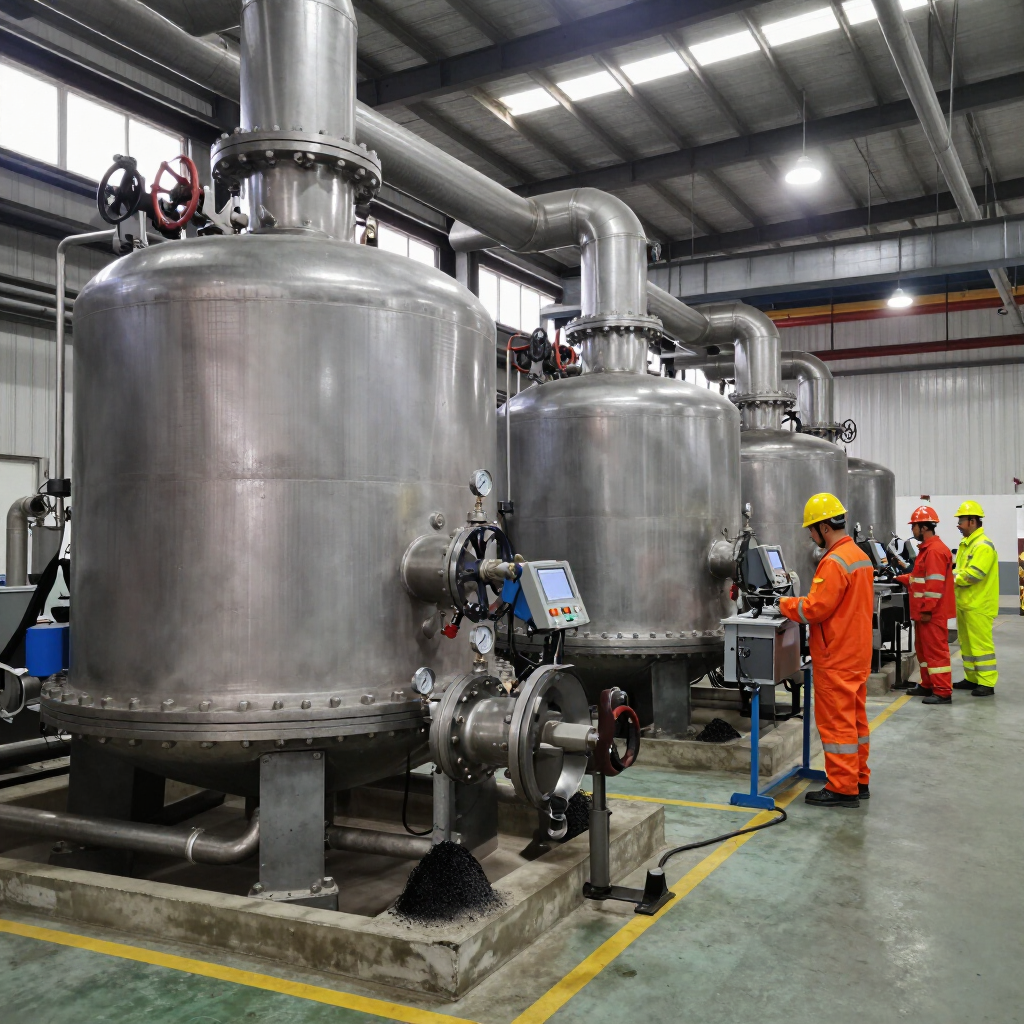
Many commercial boiler systems appear to operate without problems. They produce steam or hot water, building occupants remain comfortable, and production continues uninterrupted. However, appearances can be deceiving. A boiler that seems to be functioning normally under everyday conditions may struggle when demand reaches its peak.
This is where commercial boiler load testing becomes invaluable.
Load testing evaluates how a boiler performs under varying operating conditions, particularly during periods of high demand. Rather than relying on assumptions or manufacturer specifications, load testing measures how the system actually performs in real-world conditions. The results provide facility managers with valuable information about capacity, efficiency, reliability, combustion performance, and overall system health.
For commercial and industrial facilities throughout Texas, load testing is an important part of preventive maintenance and long-term equipment management. Whether your boiler supports a hospital, school, manufacturing facility, office building, food processing plant, or municipal operation, understanding its true performance capabilities helps reduce downtime, improve efficiency, and support operational planning.
At Houston Boiler Works, we perform comprehensive performance evaluations that help customers identify hidden issues before they become costly failures. This guide explains what boiler load testing involves, when it should be performed, and the benefits it provides.
What Is Commercial Boiler Load Testing?
Commercial boiler load testing is the process of evaluating how a boiler performs under different operating demands.
Rather than checking only whether the boiler starts and runs, technicians monitor how the system responds as demand increases.
During testing, measurements may include:
- Steam production
- Hot water output
- Operating pressure
- Water temperature
- Combustion efficiency
- Fuel consumption
- Stack temperature
- Oxygen levels
- Carbon monoxide levels
- Burner modulation
- Response time
These measurements provide a complete picture of boiler performance across its operating range.
Why Normal Operation Doesn't Tell the Whole Story
A boiler operating at 40 percent capacity may appear to function perfectly.
However, once demand rises to 90 or 100 percent, hidden problems often become apparent.
Examples include:
- Pressure instability
- Poor burner modulation
- Delayed recovery
- Excessive fuel consumption
- Inconsistent steam production
- High stack temperatures
- Control limitations
Facilities frequently discover these issues during the coldest days of winter or during peak production periods—precisely when reliable operation is most critical.
Routine load testing helps identify these concerns before they affect operations.
When Should Commercial Boilers Be Load Tested?
While every facility has different operating requirements, several situations make load testing particularly valuable.
Following Installation
A newly installed boiler should be tested to verify it performs according to design specifications.
Testing confirms:
- Proper installation
- Correct burner adjustment
- Control operation
- Capacity
- Safety system performance
This establishes a performance baseline for future comparison.
After Major Repairs
Significant repairs may alter system performance.
Examples include:
- Burner replacement
- Heat exchanger repairs
- Control upgrades
- Fuel system modifications
- Pressure vessel work
Load testing confirms that repairs have restored proper operation.
Before Peak Heating Seasons
Facilities relying heavily on boilers during colder months should verify performance before demand increases.
Testing before winter allows sufficient time to address any issues identified during the evaluation.
Before Production Expansions
Manufacturing facilities often increase production without evaluating whether existing boilers can support higher demand.
Load testing determines whether additional capacity is needed before expansion occurs.
Components Evaluated During Load Testing
A comprehensive test evaluates far more than the boiler itself.
The entire heating or steam generation system is considered.
Boiler Capacity
Technicians verify whether the boiler can achieve its rated output while maintaining stable operating conditions.
If actual capacity falls below expectations, additional investigation is required.
Burner Performance
Burners must respond smoothly as demand changes.
Testing evaluates:
- Flame stability
- Ignition
- Modulation
- Fuel delivery
- Air-to-fuel ratio
- Combustion quality
Proper burner performance directly affects fuel efficiency.
Combustion Analysis
Professional combustion analysis measures:
- Oxygen concentration
- Carbon dioxide
- Carbon monoxide
- Flue gas temperature
- Combustion efficiency
Small adjustments identified during testing often improve both efficiency and emissions.
Feedwater Performance
For steam boilers, feedwater systems play an essential role.
Testing verifies:
- Pump performance
- Water level stability
- Feedwater temperature
- Control response
Poor feedwater performance frequently limits overall boiler reliability.
Safety Controls
Safety devices remain active throughout testing.
Technicians verify proper operation of:
- Pressure controls
- Low-water cutoffs
- High-limit controls
- Flame safeguard systems
- Safety shutdowns
Reliable operation under load is just as important as operation during startup.
Common Problems Identified During Load Testing
Many performance issues develop gradually and remain unnoticed during routine operation.
Load testing often reveals:
Short Cycling
Boilers that repeatedly start and stop experience unnecessary wear while reducing efficiency.
Delayed Burner Response
Burners that react slowly to changing demand may struggle during peak operating periods.
Pressure Fluctuations
Unstable steam pressure affects production quality and building comfort.
Heat Transfer Problems
Scale buildup or soot reduces heat transfer efficiency, requiring additional fuel to produce the same output.
Control Calibration Issues
Aging sensors and controls may no longer provide accurate operating information.
Benefits of Professional Load Testing
A properly performed load test provides valuable operational information.
Benefits include:
- Improved energy efficiency
- Greater equipment reliability
- Lower fuel costs
- Better production planning
- Reduced emergency repairs
- Longer equipment life
- Improved safety
- Better documentation for maintenance planning
Rather than waiting for failures, facility managers gain objective performance data.
The Relationship Between Load Testing and Preventive Maintenance
Load testing complements preventive maintenance.
Routine maintenance focuses on inspecting and servicing components.
Load testing verifies how well those components perform together under actual operating conditions.
Combined, these services provide a comprehensive understanding of boiler health.
Supporting Long-Term Capital Planning
One overlooked benefit of load testing is its role in long-term budgeting.
Performance data helps answer important questions such as:
- Is the boiler still meeting facility needs?
- Can planned production increases be supported?
- Are modernization upgrades justified?
- Is replacement becoming necessary?
Objective performance measurements allow organizations to make informed financial decisions.
Energy Efficiency Improvements Identified Through Testing
Many facilities schedule load testing primarily to reduce operating costs.
Testing frequently identifies opportunities including:
- Burner tuning
- Improved combustion settings
- Reduced excess air
- Better control sequencing
- Optimized operating pressure
- Feedwater improvements
- Reduced blowdown losses
Even modest efficiency gains can produce substantial annual fuel savings.
Avoiding Emergency Failures
Emergency boiler failures rarely occur without warning.
Instead, systems often display subtle performance changes long before major breakdowns occur.
Load testing helps identify:
- Capacity loss
- Combustion problems
- Control instability
- Mechanical wear
- Pump performance issues
Correcting these issues early reduces the likelihood of unexpected outages.
Industries That Benefit Most from Load Testing
Virtually every commercial boiler installation benefits from periodic performance evaluation.
Industries where load testing is particularly valuable include:
Healthcare Facilities
Hospitals require dependable steam and hot water twenty-four hours a day.
Performance testing helps maintain uninterrupted patient care.
Manufacturing Plants
Production often depends directly on steam availability.
Load testing verifies boilers can support changing production schedules.
Educational Campuses
Universities and school districts experience seasonal demand fluctuations.
Testing helps prepare systems before peak occupancy.
Hotels and Hospitality
Guest comfort depends on reliable hot water and heating.
Performance testing reduces the likelihood of service interruptions.
Food Processing
Consistent steam pressure is essential for many processing operations.
Testing helps maintain production quality.
Case Study: Performance Evaluation at a Texas Distribution Facility
A large distribution center outside Houston experienced occasional heating complaints during cold weather despite having a boiler that appeared to be operating normally.
Houston Boiler Works performed a comprehensive load test and discovered several contributing factors:
- Burner modulation was slower than manufacturer specifications.
- Combustion settings had drifted over time.
- Feedwater controls responded inconsistently during high demand.
- Stack temperatures indicated reduced heat transfer efficiency.
After making targeted adjustments, the facility experienced:
- More consistent heating
- Reduced natural gas consumption
- Improved pressure stability
- Faster response during peak demand
- Greater confidence heading into winter
Importantly, these improvements were achieved without replacing the boiler.
Frequently Asked Questions
Is load testing only necessary for older boilers?
No. New boilers should also undergo load testing to verify proper installation and establish baseline performance.
Does load testing require shutting down the facility?
In many cases, testing can be performed while the boiler remains in operation, minimizing disruption to normal activities.
How often should load testing be performed?
Frequency depends on the application, but many commercial facilities benefit from testing every three to five years or after major repairs or upgrades.
Can load testing improve energy efficiency?
Yes. Testing often identifies combustion adjustments, control improvements, and maintenance issues that reduce fuel consumption.
Is load testing different from a boiler inspection?
Yes. Inspections primarily focus on safety and code compliance, while load testing evaluates operational performance and efficiency under actual working conditions.
Make Performance Data Part of Your Boiler Management Strategy
A commercial boiler may appear to be operating normally while hidden performance issues quietly increase fuel costs, reduce reliability, and shorten equipment life. Professional load testing provides the detailed operational information needed to identify inefficiencies, verify system capacity, and support informed maintenance and capital planning decisions.
Houston Boiler Works provides comprehensive boiler performance evaluations for commercial and industrial facilities throughout Texas. Our experienced technicians assess boiler capacity, combustion efficiency, control performance, and overall system operation to help customers maximize reliability, improve energy efficiency, and prepare confidently for future operating demands.
Whether you're planning for seasonal demand, evaluating an aging system, or simply looking to improve performance, professional load testing can provide valuable insight into the health of your boiler system and help ensure dependable operation for years to come.