Commercial Boiler Budget Planning: How Facility Managers Can Prepare for Future Costs
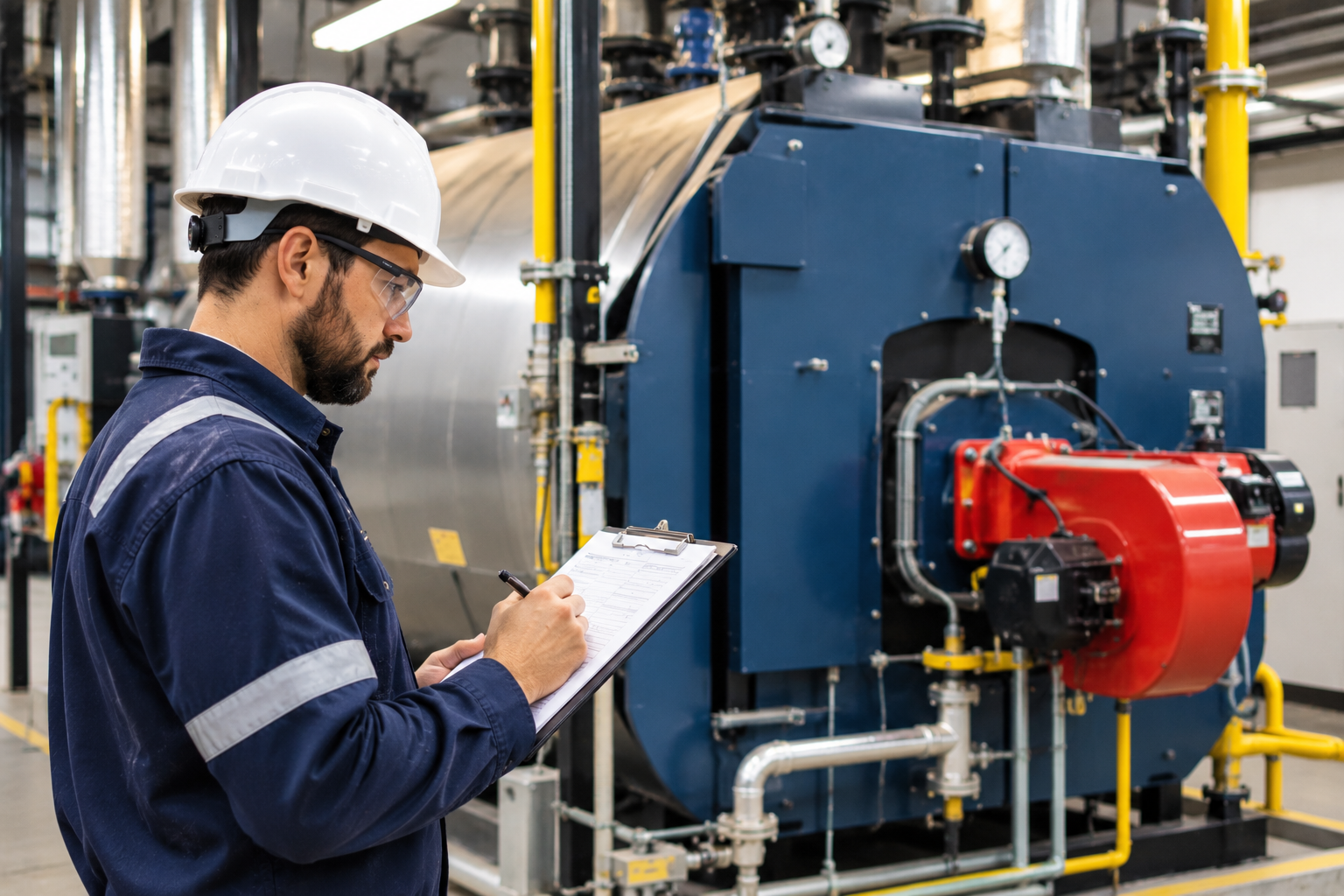
One of the biggest challenges facing facility managers is balancing today's operational needs with tomorrow's capital expenses. Commercial boiler systems are among the most valuable and mission-critical assets in a building, yet many organizations still approach boiler spending reactively—budgeting only after an unexpected failure occurs.
Emergency boiler replacements, major repairs, and unplanned downtime can place tremendous strain on operating budgets. They often require rushed purchasing decisions, premium labor rates, expedited equipment shipping, and temporary rental boilers. These costs can quickly exceed what would have been spent with proper planning.
By contrast, facilities that develop a long-term boiler budget are better positioned to control expenses, extend equipment life, and make strategic decisions that support operational reliability. Effective budgeting isn't simply about setting aside money for future projects. It's about understanding the condition of your equipment, anticipating future needs, and creating a roadmap that reduces financial surprises.
At Houston Boiler Works, we work with commercial and industrial organizations across Texas to help them evaluate boiler systems, forecast future needs, and develop practical maintenance and replacement strategies. This guide explains how facility managers can build an effective commercial boiler budget and why proactive planning pays dividends over the life of the equipment.
Why Boiler Budgeting Matters
Commercial boilers rarely fail without warning.
Instead, they typically show gradual signs of aging through:
- Increasing maintenance costs
- Declining efficiency
- More frequent repairs
- Inspection deficiencies
- Difficulty sourcing replacement parts
Unfortunately, many facilities continue operating aging equipment without a long-term financial plan. When a major component finally fails, management is forced into emergency decision-making under significant time pressure.
A structured budget allows organizations to replace uncertainty with predictable planning.
Looking Beyond Annual Maintenance Costs
Many organizations budget only for routine service.
While annual maintenance is essential, it represents just one portion of the boiler's total lifecycle cost.
A comprehensive boiler budget should include:
- Preventive maintenance
- Annual inspections
- Water treatment
- Emergency repairs
- Replacement parts
- Controls and automation upgrades
- Burner servicing
- Pump maintenance
- Rental boiler contingency
- Equipment modernization
- Complete replacement planning
Considering the full lifecycle provides a much more accurate financial picture.
Understanding the Boiler Lifecycle
Every commercial boiler follows a predictable lifecycle.
Early Years (0–10 Years)
During the first decade, costs are typically limited to:
- Routine maintenance
- Water treatment
- Minor repairs
- Annual inspections
Efficiency remains relatively high when maintenance is consistent.
Mid-Life (10–20 Years)
As equipment ages, facilities often experience:
- Component replacement
- Control upgrades
- Pump repairs
- Burner maintenance
- Increased inspection attention
Planning becomes increasingly important during this stage.
Mature Equipment (20+ Years)
Older boilers often require:
- More frequent repairs
- Modernization projects
- Replacement evaluations
- Increased maintenance budgets
- Long-term capital planning
Not every older boiler requires replacement, but facilities should begin preparing financially.
Conducting a Boiler Condition Assessment
Budget planning should always begin with understanding the current condition of the equipment.
A professional assessment typically evaluates:
- Pressure vessel integrity
- Burner condition
- Heat exchanger performance
- Combustion efficiency
- Control systems
- Water treatment effectiveness
- Safety devices
- Remaining equipment life
The assessment provides valuable information for forecasting future expenses.
Categorizing Boiler Expenses
Breaking boiler costs into categories makes budgeting more manageable.
Operating Expenses
These recurring costs include:
- Fuel
- Water
- Chemicals
- Routine maintenance
- Inspections
- Operator training
These expenses should be reviewed annually.
Maintenance Expenses
Maintenance budgets typically include:
- Burner tuning
- Safety testing
- Valve replacement
- Pump servicing
- Steam trap maintenance
- Instrument calibration
Consistent maintenance reduces the likelihood of expensive emergency repairs.
Capital Improvements
Major investments may include:
- New controls
- Burner upgrades
- Economizers
- Water softeners
- Heat exchangers
- Automation systems
These projects often improve efficiency while extending equipment life.
Replacement Reserve
Every facility should establish a long-term reserve for eventual boiler replacement.
Even if replacement is years away, gradual budgeting reduces financial strain when the time comes.
Planning for Preventive Maintenance
Preventive maintenance is one of the easiest expenses to predict.
Annual maintenance programs typically include:
- Combustion testing
- Safety inspections
- Control calibration
- Water quality evaluation
- Heat exchanger cleaning
- Leak inspections
- Blowdown verification
Facilities that consistently fund preventive maintenance usually experience lower repair costs over time.
Budgeting for Emergency Repairs
No maintenance program eliminates every unexpected issue.
Emergency repair budgets should account for:
- Control failures
- Pump breakdowns
- Burner malfunctions
- Valve replacements
- Electrical troubleshooting
While emergencies cannot always be prevented, setting aside contingency funds helps avoid financial disruption.
Don't Forget Water Treatment Costs
Water treatment is often overlooked during budgeting because the individual expenses seem relatively small.
However, ongoing costs include:
- Chemical treatment
- Water testing
- Softener maintenance
- Filter replacement
- Blowdown management
These investments protect against much larger repair costs later.
Energy Efficiency Projects Can Reduce Long-Term Costs
Some of the best boiler investments reduce future operating expenses.
Examples include:
- Digital controls
- Burner upgrades
- Variable frequency drives
- Heat recovery systems
- Improved insulation
- Condensate recovery
Although these projects require capital investment, they frequently reduce annual utility costs enough to justify the expense.
Planning for Equipment Obsolescence
Manufacturers eventually discontinue replacement parts for older equipment.
Facilities should identify:
- Aging controls
- Obsolete electronics
- Difficult-to-source burners
- Specialty valves
- Legacy instrumentation
Planning upgrades before parts become unavailable reduces the risk of extended downtime.
Using Maintenance Records to Improve Forecasting
Maintenance history provides valuable budgeting information.
Track:
- Repair frequency
- Replacement parts
- Annual maintenance costs
- Fuel consumption
- Inspection findings
- Equipment downtime
These records help identify trends that influence future budgets.
The Value of Multi-Year Capital Planning
Rather than planning one year at a time, many organizations develop five- or ten-year boiler strategies.
Long-term planning allows facilities to:
- Schedule upgrades
- Coordinate funding
- Reduce emergency spending
- Align projects with renovations
- Improve purchasing decisions
Multi-year planning also simplifies conversations with executive leadership.
Coordinating Boiler Projects with Other Facility Improvements
Boiler work often overlaps with:
- Building expansions
- HVAC upgrades
- Mechanical room renovations
- Utility improvements
- Energy efficiency initiatives
Coordinating projects can reduce labor costs and minimize operational disruption.
Working with Experienced Boiler Professionals
Budget planning is most effective when supported by experienced boiler specialists.
Professional evaluations help facilities:
- Prioritize investments
- Estimate remaining equipment life
- Identify efficiency opportunities
- Plan modernization projects
- Schedule replacements strategically
Expert guidance reduces uncertainty while supporting more accurate financial planning.
Case Study: Long-Term Budget Planning for a Texas School District
A Texas school district operated boilers across multiple campuses, many of which had been installed over two decades earlier. Although most systems remained operational, maintenance costs were increasing and replacement planning had not been standardized.
Houston Boiler Works completed a comprehensive assessment of every boiler in the district.
The evaluation included:
- Equipment age
- Operating condition
- Maintenance history
- Inspection results
- Efficiency measurements
- Remaining service life estimates
Based on the findings, the district developed a ten-year capital improvement plan.
Rather than replacing multiple boilers simultaneously, projects were phased over several budget cycles.
The district also invested in:
- Preventive maintenance agreements
- Control upgrades
- Water treatment improvements
- Burner modernization
The result was improved budget predictability, fewer emergency repairs, and more efficient use of capital funding.
Common Budgeting Mistakes to Avoid
Facilities can improve financial planning by avoiding several common mistakes.
Waiting Until Equipment Fails
Emergency replacements almost always cost more than planned projects.
Underestimating Maintenance
Reducing maintenance budgets often leads to higher repair costs later.
Ignoring Energy Costs
Fuel expenses typically exceed maintenance costs over the life of a boiler.
Efficiency improvements deserve careful financial consideration.
Focusing Only on Equipment Price
Installation, permitting, controls, utility upgrades, and commissioning all contribute to total project cost.
Lifecycle cost is more important than purchase price alone.
Failing to Review the Budget Annually
Equipment conditions change over time.
Annual reviews help ensure financial plans remain accurate.
Frequently Asked Questions
How often should commercial boiler budgets be reviewed?
Most organizations should review boiler maintenance and capital budgets annually while updating long-term replacement plans as equipment conditions change.
Should facilities budget for boiler replacement before problems occur?
Yes. Establishing a replacement reserve allows organizations to plan projects strategically rather than responding to emergency failures.
Are maintenance agreements worth including in the annual budget?
In many cases, yes. Preventive maintenance agreements help reduce unexpected repairs, improve efficiency, and extend equipment life.
How can facilities estimate future boiler expenses?
Professional condition assessments, maintenance history, inspection reports, and equipment age all help forecast future costs more accurately.
Can modernization reduce future capital spending?
Often it can. Strategic upgrades to burners, controls, and supporting equipment may extend boiler life and delay the need for complete replacement.
Build a Budget That Supports Reliable Boiler Operation
Commercial boiler systems represent a long-term investment, and effective budgeting is essential for protecting that investment. By planning for maintenance, modernization, repairs, and eventual replacement, facility managers can reduce financial surprises while improving system reliability and operational efficiency.
Houston Boiler Works helps commercial and industrial facilities throughout Texas develop practical long-term boiler strategies based on equipment condition, operational needs, and future growth plans. From preventive maintenance programs and system assessments to modernization projects and replacement planning, our experienced team provides the expertise needed to make informed financial decisions and keep boiler systems operating safely and efficiently for years to come.